Winter Nearshore Fishing: Your Guide to an Unforgettable Experience!

Updated: Feb 26
Preparing for Winter Nearshore Fishing
Fishing nearshore in winter requires some preparation to ensure safety and success. The weather can be unpredictable, and water temperatures drop, affecting fish behavior.
Check Weather and Tides
Always review the forecast and tide charts before heading out! Winter storms can develop quickly, and tides influence fish feeding patterns nearshore.
Dress Appropriately
Layered clothing, waterproof gear, and gloves keep you warm and dry. Cold hands reduce your ability to handle tackle and fish effectively!
Boat Maintenance
Inspect your vessel for any issues, especially the engine and electrical systems. Cold weather can strain batteries and fuel lines. Our captains keep a steady eye and regularly check and maintain our boats!
Safety Gear
Carry extra life jackets, a VHF radio, EPIRB, and emergency supplies. Nearshore waters may be shallow but can still pose hazards like sudden weather changes or debris.
Targeting Cobia in Winter
Cobia are prized game fish known for their strength and size! While more common in warmer months, cobia can still be found nearshore in winter, especially around structures like wrecks, reefs, and pilings.
Where to Find Cobia
Look for floating debris, buoys, or crab pots where cobia often hang out. You may also find a tripletail while you're at it! They use these as cover and feeding spots. Many are also caught and targeted off of ledges and high relief structures.
Bait and Lures
Live bait such as crabs, eels, or small fish like pinfish and threadfins work well! Artificial lures like large jigs or soft plastics can also attract cobia.
Techniques
Anchoring, chumming, and drifting near structures increases your chances. When a cobia bites, be ready for a strong fight; use a sturdy rod and reel with heavy line!
Timing
Midday, when the sun warms the water slightly, can be the best time to find active cobia!
Pursuing Permit in Cooler Months
Permit are challenging to catch and often found near artificial reefs, ledges, and wrecks. Winter permit fishing demands patience and precise presentation!
Ideal Locations
Shallow flats with clean sand and scattered shell beds are prime spots. Permit feed on crustaceans, so look for signs of feeding activity!
Bait Choices
Crabs are the top bait for permit. They will also take live shrimp if presented naturally!
Presentation Tips
Cast beyond the fish and let the bait drift naturally with the current. Permit are wary, so avoid sudden movements or loud noises!
Gear Recommendations
Use light tackle with a sensitive rod to detect subtle bites. Spinning gear with 10- to 20-pound test line works well!

Catching Sheepshead in Winter
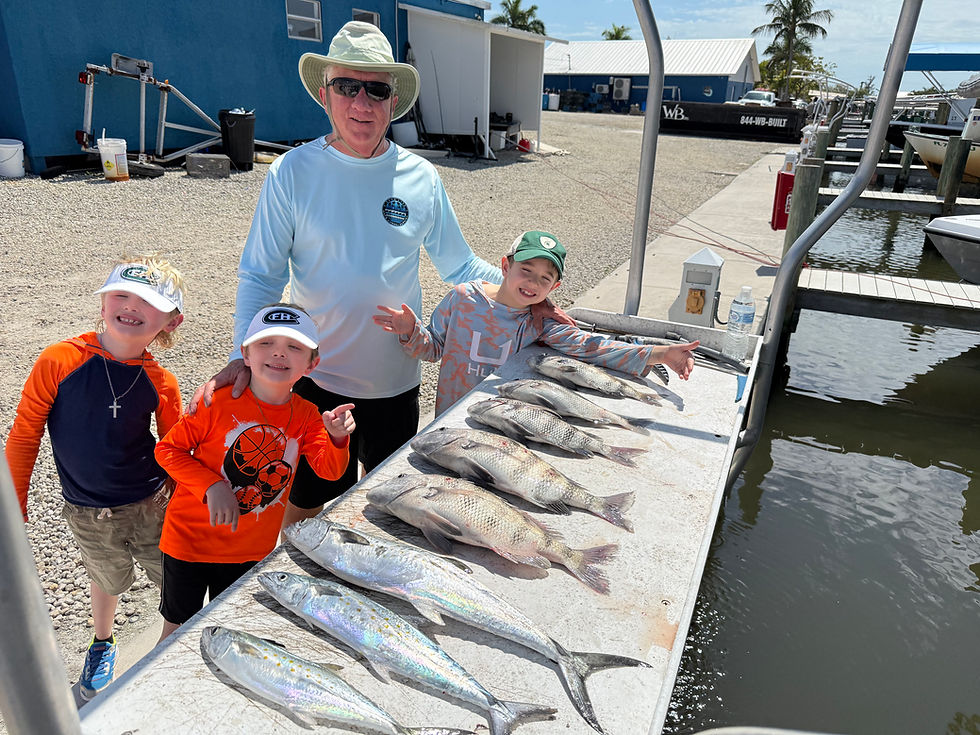
Sheepshead are known for their sharp teeth and preference for crustaceans and barnacles. Winter is a great time to target them nearshore on rocky structures and docks!
Best Spots
Focus on pilings, jetties, and rocky outcrops where barnacles and oysters grow. Sheepshead graze on these surfaces. Nearshore rock piles and structures hold them too!
Bait and Tackle
Use fiddler crabs, shrimp, or barnacles as bait! A medium-light rod with a sensitive tip helps detect their subtle bites. Knocker rigs, Carolina rigs, and one-hook dropper rigs work great, primarily focused on the bottom.
Fishing Technique
Drop your bait close to structure and keep it near the bottom. Sheepshead often nibble before fully taking the bait, so patience is key!
Handling Tips
Be cautious when handling sheepshead; their teeth can cause injury. Use pliers to remove hooks safely!
Tips for Maximizing Your Winter Nearshore Fishing Experience
Use Electronics Wisely
Fish finders and GPS help locate structures and fish schools! Adjust sensitivity settings for clearer readings in colder water.
Stay Mobile
If one spot isn’t producing, move to another! Winter fish can be less predictable, so covering ground helps.
Keep Tackle Organized
Cold hands make handling tangled lines frustrating. Organize your tackle box for quick access to lures and bait!
Practice Catch and Release
Many winter fish are spawning or recovering from seasonal stress. Handle fish gently and release them promptly!

Why Choose Gulf Coast Fishing Charters?
At Gulf Coast Fishing Charters LLC, we aim to be your top choice for unforgettable fishing adventures in Southwest Florida! Our expert captains and top-tier boats ensure every trip is fun and memorable for all skill levels. Whether you're a seasoned angler or a beginner, we’ve got you covered!
So, are you ready to reel in some amazing catches this winter? Don’t miss out on the opportunity to experience the thrill of fishing in Southwest Florida!


Comments